Home Author
Author

Konrad Goller

Advertisement

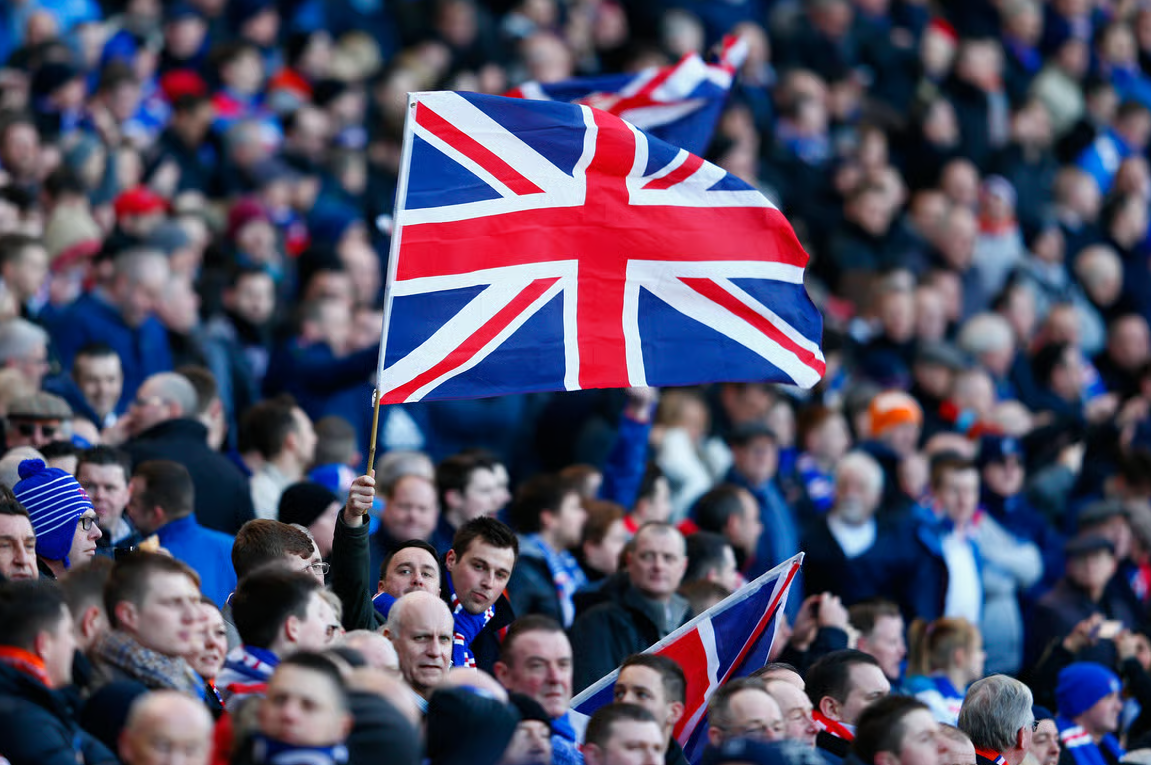
Hold onto your flags, because the United Kingdom could be about to face its most profound constitutional challenge since the Good Friday Agreement. With the May elections for the devolved parliaments and assemblies just around the corner, the political betting markets are flashing red. The prospect of a “Nationalist Triple Crown”—where pro-independence parties hold the reins of power simultaneously in Edinburgh, Cardiff, and Belfast—is no longer a fringe fantasy. It is a very real, and very unsettling, probability for the government in Westminster.

In Scotland, the SNP, despite recent turbulence, remains the dominant force. The central plank of their campaign is simple: “The Westminster parties have failed. Give us the mandate for a second referendum.” In Wales, the tectonic plates have shifted even more dramatically. Plaid Cymru, long seen as the junior partner in a Labour-dominated Senedd, is polling to become the largest party outright. Their message resonates in the Valleys and the rural West—a feeling that Cardiff Bay has become just as remote and out-of-touch as Westminster, and that only independence can protect Welsh language and industry. And then there’s Northern Ireland, where the delicate balance of power is tipping. For the first time, Sinn Féin’s call for a border poll on Irish unity is being backed up by electoral dominance and, crucially, favourable demographic trends.

Pages: 1 2

Advertisement

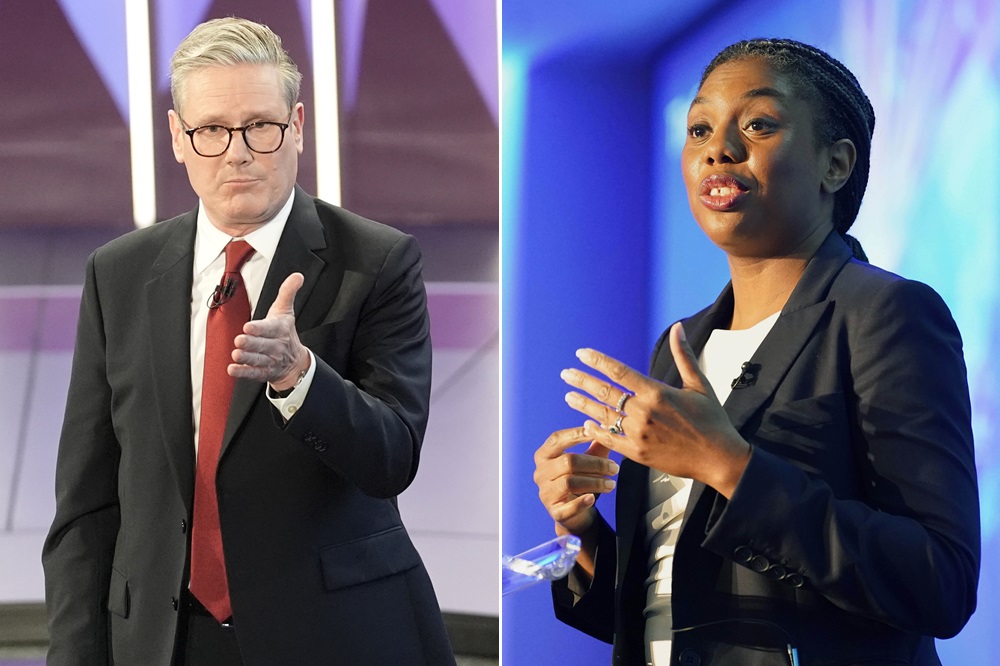
The political tectonic plates under Westminster are groaning and shifting, and for the first time in a long while, the vibrations are coming from the Opposition benches. A new, bombshell opinion poll has put Kemi Badenoch ahead of Sir Keir Starmer in the personal popularity stakes. The numbers show the Conservative leader overtaking the Prime Minister as the country’s preferred choice for Number 10. It’s a seismic moment in the 2026 political calendar and a stark warning to Labour that the honeymoon—if there ever was one—is well and truly over, and the divorce papers might be in the post.

How has Badenoch managed this? She’s hardly a cuddly, centrist unifier in the mould of a Cameron or even a Sunak. She’s a conviction politician with a capital ‘C’, and her convictions often involve saying things that make the liberal metropolitan elite spill their oat milk lattes. But that’s precisely the point. In a political landscape paralysed by managerial blandness, Badenoch sounds like she actually believes in something. Whether it’s her robust defence of free speech on campuses, her scepticism about the costs of Net Zero, or her refusal to bow to identity politics, she has carved out a space as the authentic voice of the “anti-woke” majority—or at least, a sizable and very noisy minority. More importantly, she’s managed to avoid the bitter infighting that plagued the Tories after the election defeat. She’s kept her party quiet, which in Conservative terms, is a miracle akin to turning water into a decent claret.

Pages: 1 2

Advertisement

In the streaming wars, Sky has often been viewed as the reliable, slightly boring middle-man—the company that brings you the football and a decent box set of *Succession*, but rarely sets the cultural agenda. Not anymore. Sky has drawn back the curtain on its 2026 slate of Originals, and it’s a full-blown, no-expense-spared blitzkrieg aimed directly at the heart of Netflix and Apple TV+. The message is clear: if you want premium British storytelling that looks like a movie but feels like a novel, you need to keep that Sky Q box plugged in.

The centrepiece of this strategy is an audacious adaptation of a Booker Prize-shortlisted novel that has been described as “Wolf Hall meets Line of Duty.” They’ve thrown the kitchen sink at the casting—think Dame Helen Mirren sharing the screen with a brooding Aaron Pierre and a surprisingly menacing Martin Freeman. This isn’t the sort of show you half-watch while scrolling Instagram. It demands attention, the kind of viewing experience where you turn the lights off and tell the kids to be quiet. Alongside this prestige heavy-hitter, Sky is doubling down on what it does best: gritty, Northern-set crime procedurals. There’s a new series set in the murky world of Sheffield’s illegal rave scene that promises to be the spiritual successor to *Brassic*, but with a much sharper, more violent edge.

Pages: 1 2

Advertisement

The Strictly Come Dancing glitterball has lost a bit of its sparkle, tarnished by a deeply unsettling off-screen drama that has finally reached a legal conclusion, though not necessarily a moral one. A professional dancer from the hit BBC show, whose identity remains fiercely protected by court orders and the British media’s cautious approach to pre-charge anonymity, has been told he will face no further action following a harrowing investigation into an allegation of rape dating back to 2024. The Crown Prosecution Service has reviewed the evidence file from the Metropolitan Police and determined there is not a realistic prospect of conviction.

The case has been a tightrope walk for the BBC. The corporation, still nursing wounds from previous safeguarding scandals involving the show, immediately suspended the individual when the allegation surfaced. Training rooms were monitored with increased scrutiny, and welfare measures were beefed up to the point where contestants are practically followed by a chaperone to the loo. The dancer in question has spent months in a professional purgatory, unable to work, his reputation shredded by the mere existence of the investigation, even though he has always maintained his innocence. His lawyers have now released a statement expressing “immense relief” but also “profound anger” at a system that allows such accusations to hang over a public figure’s head for so long without resolution.

Pages: 1 2

Advertisement

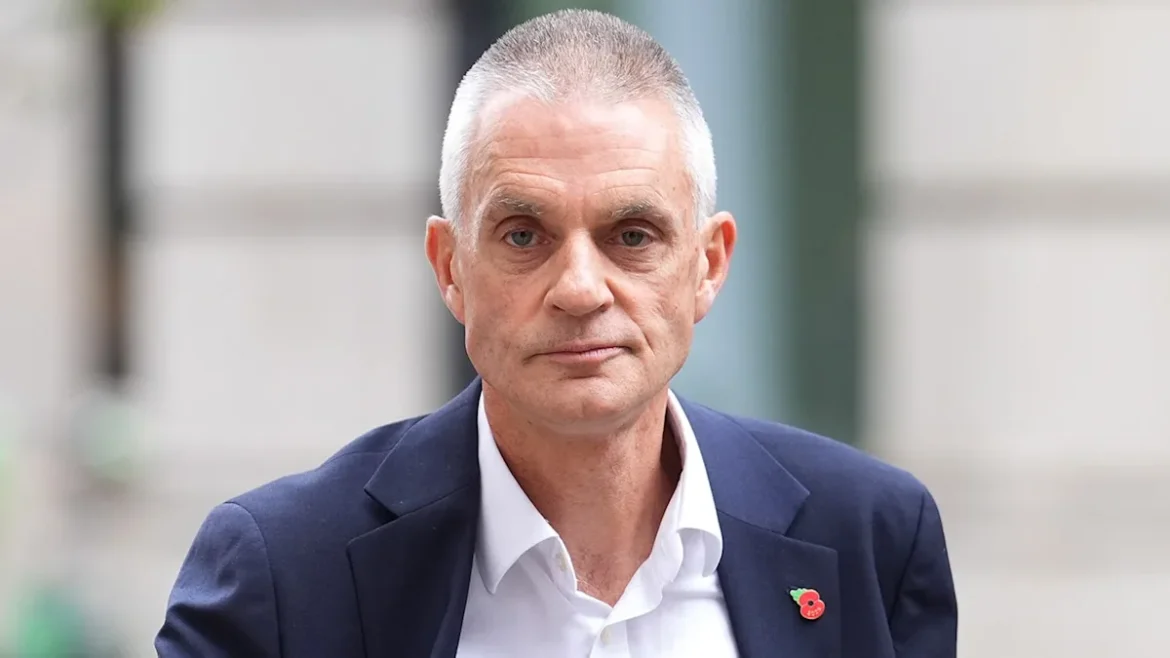
There’s a chill wind blowing through the corridors of Broadcasting House, and it has nothing to do with the heating budget cuts. Tim Davie, the BBC’s Director-General, has issued a stark warning that should worry anyone who cares about British storytelling on the global stage: the streamers are pulling up the drawbridge. In a candid address to the industry, Davie revealed that Netflix and Amazon are increasingly walking away from the co-production model that has underpinned the financing of premium British drama for the last decade. In short, the deep-pocketed Americans no longer want to share their toys, and they’re taking their ball home.

For years, the formula was a beautiful marriage of convenience. The BBC or ITV would bring the British talent, the unique voice, the period costumes, and the cultural cachet. Netflix would bring the vast sums of cash needed to make it look glossy enough to sit next to *The Crown* in the algorithm. Shows like *Bodyguard* and *Peaky Blinders* became global hits precisely because of this hybrid approach. But the economics of streaming have soured. Wall Street is no longer rewarding subscriber growth at all costs; they’re demanding profit. And the fastest way to boost profit is to own the Intellectual Property outright. Netflix doesn’t want to rent British creativity for a few years; it wants to own it forever and ever, amen.

Pages: 1 2

Advertisement

After months of speculation and the kind of breathless “insider” gossip that fuels the UK media circuit, it’s finally official: Saturday Night Live UK has landed its first genuinely watercooler-moment booking. Comedian Jack Whitehall will be stepping onto the hallowed Studio 8H replica stage as host, while the sublime Jorja Smith will provide the musical backdrop. It’s the kind of double-act announcement that suggests the beleaguered British spin-off is finally finding its feet—or at least, learning how to stop tripping over the American shoelaces it’s been desperately trying to tie.

Jack Whitehall is the obvious and, frankly, perfect choice for this gig. Love him or loathe him—and British opinion tends to be split between those who find him poshly hilarious and those who find him gratingly Etonian—the man was born for live sketch comedy. He thrives on the chaos of a live audience, the fluffed line, and the cheeky wink to camera. He’s also a safe pair of hands for the Beeb-adjacent Lorne Michaels machine. He can do the broad, silly physical comedy the Americans love (see: his *Jungle Cruise* work), but he’ll also smuggle in the sort of niche, self-deprecating British references about Waitrose queues and the horror of the Central Line that will send the home crowd into hysterics.

Pages: 1 2

Advertisement

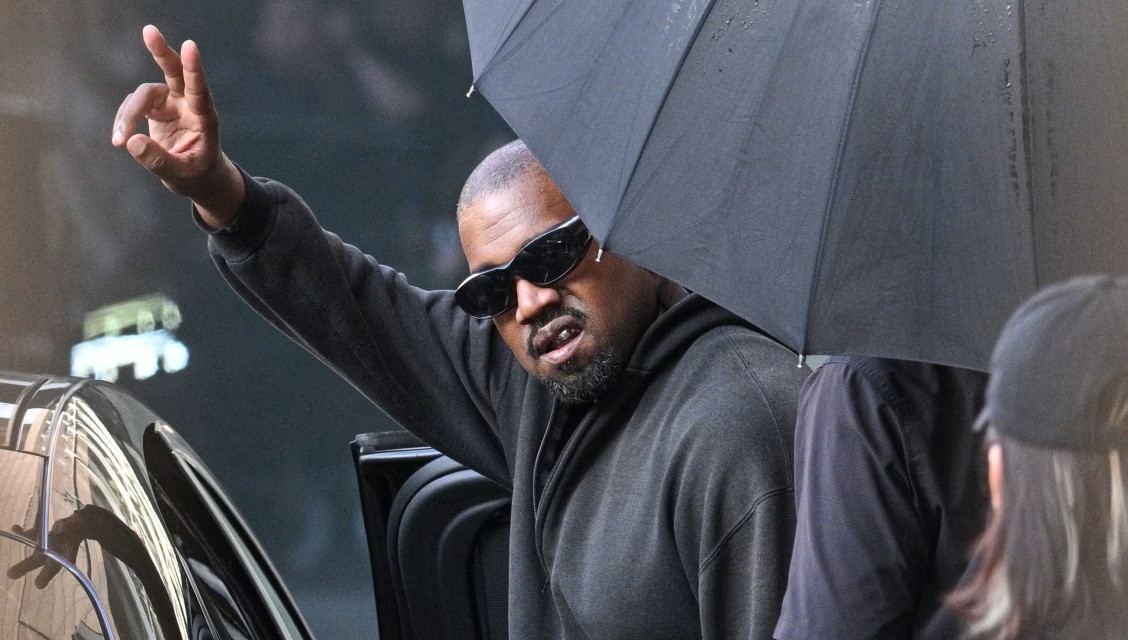
The atmosphere backstage at Wireless Festival has gone from electric to positively toxic, and the organisers are staring at a financial and reputational crater where their headline slot used to be. In a move that has sent shockwaves through the British music industry, two of the festival’s biggest corporate backers, Pepsi and Diageo, have pulled the plug on their sponsorship. The reason? The looming, controversial presence of Kanye West. It’s a stunning vote of no confidence in the rapper, and it leaves the festival in Finsbury Park facing a multi-million-pound shortfall just weeks before the gates are supposed to open.

The corporate world doesn’t usually do swift moral stands. They do spreadsheets and brand safety assessments. The fact that two behemoths like PepsiCo (who own everything from the cola to Walkers Crisps) and Diageo (the kings of Guinness and Smirnoff) have walked away tells you everything you need to know about the toxicity of the Kanye brand in 2026. Despite the rapper’s recent attempts to pivot back to music and claim he’s in a “better place,” the ghosts of his antisemitic rants and the infamous “White Lives Matter” stunt hang over him like a bad smell. For a festival that prides itself on being the heart of London’s diverse and youthful music scene—a crowd that includes a massive Black British and Jewish British contingent—the booking was always a high-wire act. It appears the wire has now snapped.

Pages: 1 2

Advertisement

Move over Silicon Valley; the future of financial regulation is being coded on the banks of the Thames. In a move that has sent ripples from the Square Mile to Wall Street, the Financial Reporting Council has become the first major regulator on the planet to issue comprehensive guidelines for the use of generative artificial intelligence in auditing. Yes, you read that correctly. The men and women in grey suits who spend their days checking spreadsheets for a misplaced decimal point are about to get a digital sidekick capable of reading and interpreting contracts faster than a City lawyer on three espressos.

This isn’t about robots replacing the partners at PwC or KPMG just yet. It’s about efficiency and, crucially, quality. The FRC’s guidance is cautious but clear: AI can be used to trawl through thousands of pages of lease agreements, board minutes, and supplier contracts in minutes, flagging anomalies and clauses that a human junior auditor might miss due to fatigue or the sheer volume of paper. Think of it as a tireless, super-bright trainee who never asks for a lunch break or moans about the temperature of the air conditioning. For the big four accountancy firms, this is a watershed moment. They have been pouring billions into AI tools but were terrified to deploy them for core audit work for fear of falling foul of the regulator. Now, with a clear rulebook in place, the race to implement this tech is on.

Pages: 1 2

Advertisement

Welcome to April in Britain. The daffodils are out, the clocks have gone forward, and your bank account has just been given a thorough rinsing. We’ve heard all the spin from Number 11 about not raising the main rates of Income Tax, National Insurance, or VAT. But anyone with a P60 and a calculator knows the truth: this is the biggest stealth tax raid in a generation, and it’s happening right under our noses. The fiscal drag effect is real, and it’s dragging most of the middle class kicking and screaming into a higher tax band they never expected to be in.

The mechanics are brutally simple. The Chancellor froze the income tax thresholds years ago, and they remain frozen solid in the permafrost of the Treasury’s spreadsheet. Meanwhile, thanks to a tight labour market and the need to keep up with the cost of a weekly Ocado order, wages are actually going up. When your salary creeps over that frozen threshold of £50,270, you tip into the 40% rate. It’s not a raise; it’s an invitation to HMRC to take a bigger slice. A primary school teacher in the Home Counties, a nurse with a few years’ extra responsibility pay, a mid-level manager at an engineering firm—these aren’t the super-rich sipping champagne in Chelsea. These are the strivers, and they are now getting letters from HMRC adjusting their tax codes with an enthusiasm that borders on vindictive.

Pages: 1 2

Advertisement

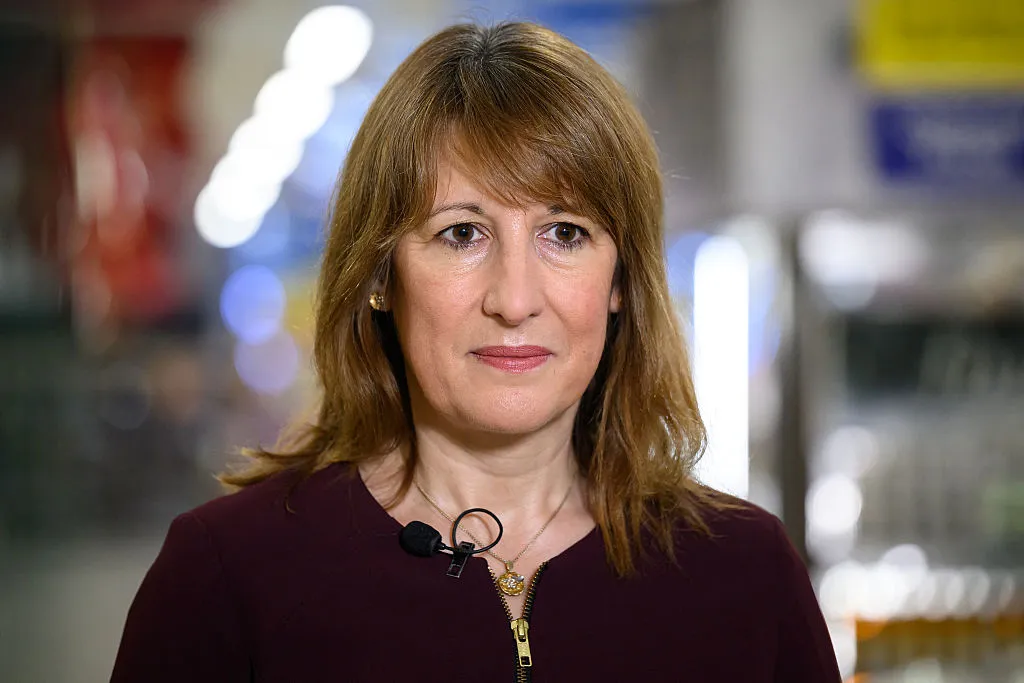
Rachel Reeves might need a stiff drink, and it’s only Tuesday. The Chancellor of the Exchequer has been handed a spreadsheet by the analysts at Barclays that reads less like a fiscal forecast and more like the script for a disaster movie. The headline figure is enough to make anyone’s eyes water: the UK is on course to borrow nearly one trillion pounds over the next four years. Let that sink in for a moment. A thousand billion quid. It’s a number so vast it ceases to have any tangible meaning; it’s just a row of zeros that represents a millstone around the neck of the next generation.

How did we get here? Well, it’s the perfect storm, isn’t it? The Debt Management Office has to roll over a mountain of gilts issued during the low-interest-rate heyday, except now those gilts have to be refinanced at yields that are significantly higher. It’s like coming off a fixed-rate mortgage deal straight onto the lender’s standard variable rate—only instead of your semi in Croydon, it’s the entire United Kingdom’s credit card bill. The interest payments on the national debt are now forecast to dwarf the budget for defence, schools, or even the hallowed NHS in some quarters. This is the “fiscal straightjacket” everyone in Westminster whispers about but nobody wants to admit they’re wearing.

Pages: 1 2

Advertisement