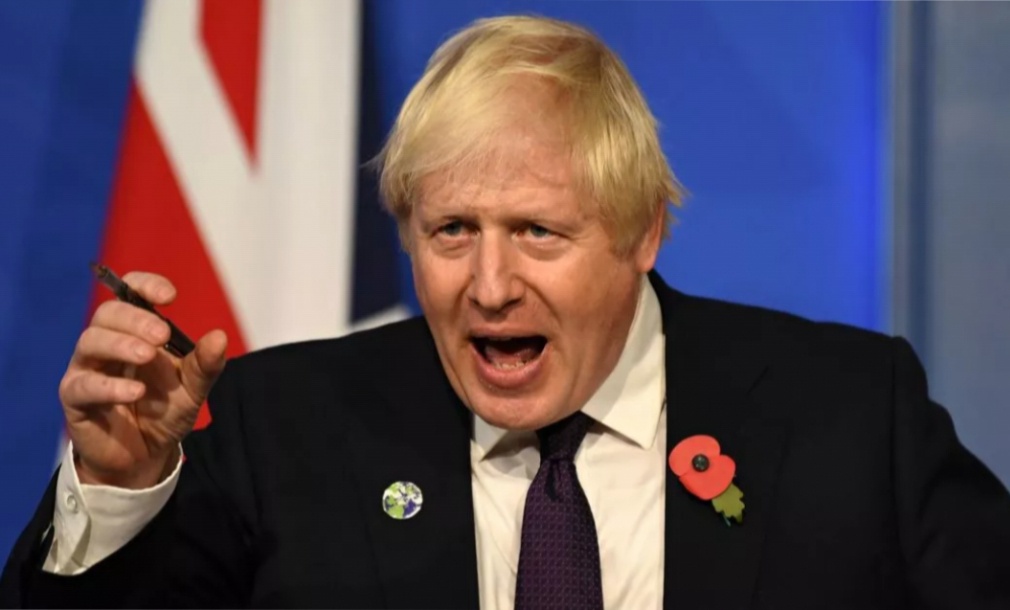
Boris Johnson back in the spotlight as ‘Partygate’ controversy intensifies
Advertisement
The political scandal surrounding former UK Prime Minister Boris Johnson has returned to the spotlight after Parliament approved a comprehensive report on events that took place during the pandemic.
This decision, passed by an overwhelming majority in the House of Commons, has reignited public debate and intensified pressure on Johnson’s political legacy.
MPs backed the findings of a parliamentary committee, which concluded that Johnson had provided Parliament with inaccurate information about gatherings held during periods of strict COVID-19 restrictions.
The report also outlined possible sanctions, including a lengthy suspension from parliamentary duties — although this became largely a symbolic step after Johnson stepped down from his post before the report was finally published.
Despite his departure, the committee’s findings have ensured that the issue has not faded from the public eye.
The so-called ‘Partygate’ scandal remains one of the most talked-about political scandals in Britain’s recent history.
At its heart are events held in government buildings at a time when millions of people across the country were forced to adhere to strict rules — often unable to see family members or attend important personal events.
During his public comments on the investigation, Johnson claimed that many interpretations of the events were exaggerated or did not reflect the full context.
He also expressed regret over how the situation had been perceived, acknowledging that it had affected public trust.
Observers note that his statements, and the manner in which they were delivered, played a significant role in keeping the issue in the spotlight.
At one point during the parliamentary debate, the live broadcast was briefly interrupted.
Although officials confirmed that the disruption was caused by routine technical issues, the timing of the interruption—coinciding with key moments in the debate—sparked further discussion online.
Viewers actively shared video clips and their reactions, highlighting how even minor details of a broadcast can heighten public interest in political events.
Reactions within the Conservative Party itself were mixed.
Some MPs supported the report’s findings, emphasising the importance of maintaining trust in democratic institutions.
Others defended Johnson, arguing that there was no clear evidence of deliberate wrongdoing.
This division reflects wider tensions in British politics following the pandemic.
The public reaction to this report has been intense, particularly among those who remember the strict restrictions imposed at the time.
For many, this issue goes beyond politics and touches on questions of justice, accountability and the equal treatment of people within the established rules.
Analysts note that the long-term consequences of this scandal continue to shape political discourse in the UK.
Although Johnson has left Parliament, discussions about his actions and decisions continue.
Recent events show that even after formal proceedings have concluded, political narratives can continue to evolve.
At present, Boris Johnson remains a central figure in one of the most significant political debates of recent years.