Home Showbiz
Category:

Showbiz

Advertisement

In the streaming wars, Sky has often been viewed as the reliable, slightly boring middle-man—the company that brings you the football and a decent box set of *Succession*, but rarely sets the cultural agenda. Not anymore. Sky has drawn back the curtain on its 2026 slate of Originals, and it’s a full-blown, no-expense-spared blitzkrieg aimed directly at the heart of Netflix and Apple TV+. The message is clear: if you want premium British storytelling that looks like a movie but feels like a novel, you need to keep that Sky Q box plugged in.

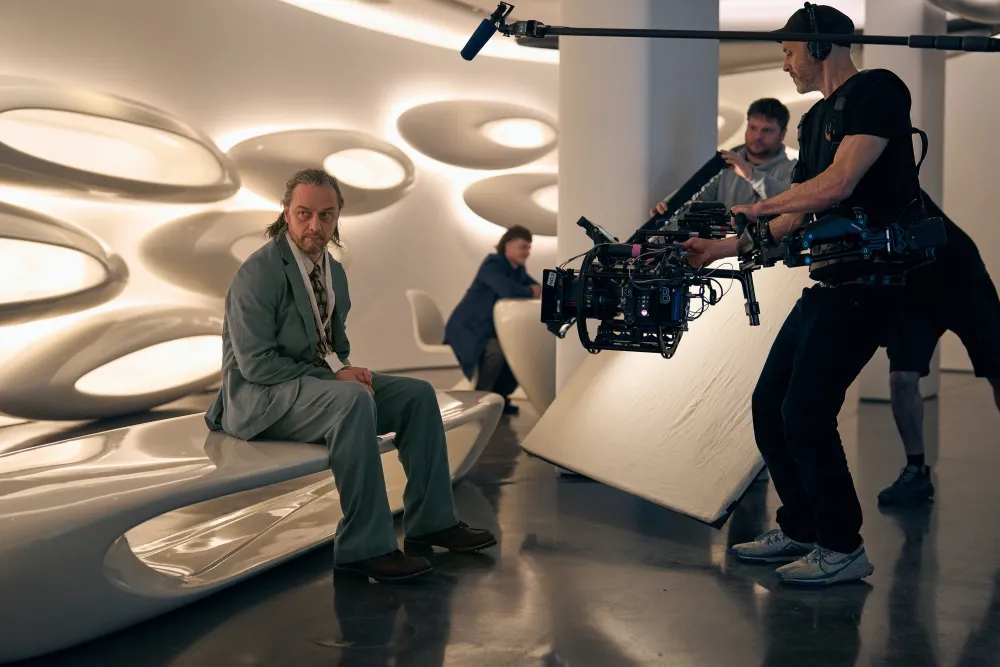
The centrepiece of this strategy is an audacious adaptation of a Booker Prize-shortlisted novel that has been described as “Wolf Hall meets Line of Duty.” They’ve thrown the kitchen sink at the casting—think Dame Helen Mirren sharing the screen with a brooding Aaron Pierre and a surprisingly menacing Martin Freeman. This isn’t the sort of show you half-watch while scrolling Instagram. It demands attention, the kind of viewing experience where you turn the lights off and tell the kids to be quiet. Alongside this prestige heavy-hitter, Sky is doubling down on what it does best: gritty, Northern-set crime procedurals. There’s a new series set in the murky world of Sheffield’s illegal rave scene that promises to be the spiritual successor to *Brassic*, but with a much sharper, more violent edge.
Pages: 1 2

Advertisement

The Strictly Come Dancing glitterball has lost a bit of its sparkle, tarnished by a deeply unsettling off-screen drama that has finally reached a legal conclusion, though not necessarily a moral one. A professional dancer from the hit BBC show, whose identity remains fiercely protected by court orders and the British media’s cautious approach to pre-charge anonymity, has been told he will face no further action following a harrowing investigation into an allegation of rape dating back to 2024. The Crown Prosecution Service has reviewed the evidence file from the Metropolitan Police and determined there is not a realistic prospect of conviction.

The case has been a tightrope walk for the BBC. The corporation, still nursing wounds from previous safeguarding scandals involving the show, immediately suspended the individual when the allegation surfaced. Training rooms were monitored with increased scrutiny, and welfare measures were beefed up to the point where contestants are practically followed by a chaperone to the loo. The dancer in question has spent months in a professional purgatory, unable to work, his reputation shredded by the mere existence of the investigation, even though he has always maintained his innocence. His lawyers have now released a statement expressing “immense relief” but also “profound anger” at a system that allows such accusations to hang over a public figure’s head for so long without resolution.

Pages: 1 2

Advertisement

There’s a chill wind blowing through the corridors of Broadcasting House, and it has nothing to do with the heating budget cuts. Tim Davie, the BBC’s Director-General, has issued a stark warning that should worry anyone who cares about British storytelling on the global stage: the streamers are pulling up the drawbridge. In a candid address to the industry, Davie revealed that Netflix and Amazon are increasingly walking away from the co-production model that has underpinned the financing of premium British drama for the last decade. In short, the deep-pocketed Americans no longer want to share their toys, and they’re taking their ball home.

For years, the formula was a beautiful marriage of convenience. The BBC or ITV would bring the British talent, the unique voice, the period costumes, and the cultural cachet. Netflix would bring the vast sums of cash needed to make it look glossy enough to sit next to *The Crown* in the algorithm. Shows like *Bodyguard* and *Peaky Blinders* became global hits precisely because of this hybrid approach. But the economics of streaming have soured. Wall Street is no longer rewarding subscriber growth at all costs; they’re demanding profit. And the fastest way to boost profit is to own the Intellectual Property outright. Netflix doesn’t want to rent British creativity for a few years; it wants to own it forever and ever, amen.

Pages: 1 2

Advertisement

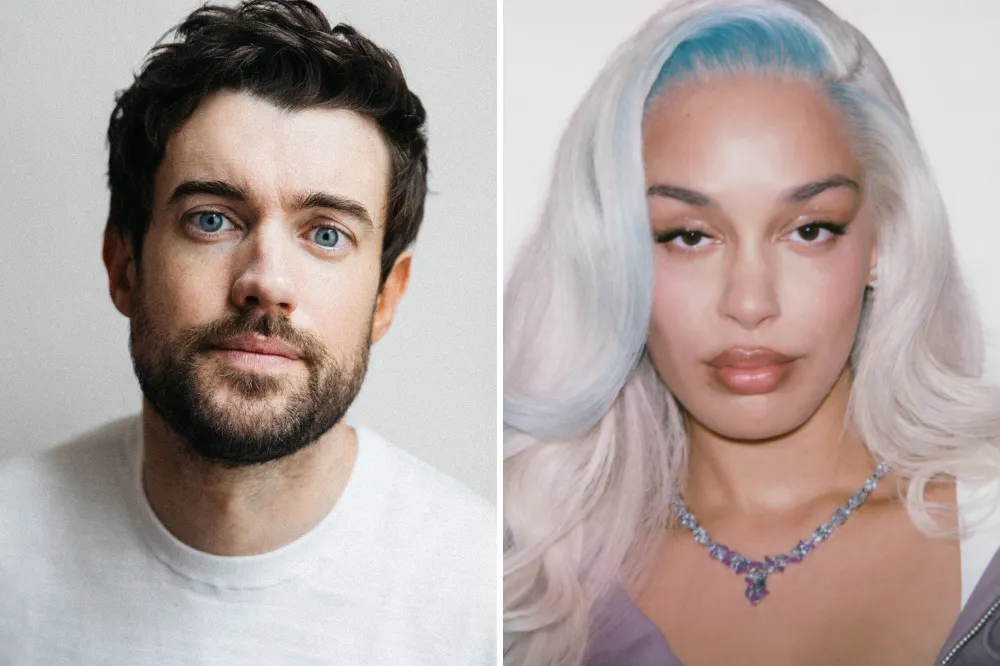
After months of speculation and the kind of breathless “insider” gossip that fuels the UK media circuit, it’s finally official: Saturday Night Live UK has landed its first genuinely watercooler-moment booking. Comedian Jack Whitehall will be stepping onto the hallowed Studio 8H replica stage as host, while the sublime Jorja Smith will provide the musical backdrop. It’s the kind of double-act announcement that suggests the beleaguered British spin-off is finally finding its feet—or at least, learning how to stop tripping over the American shoelaces it’s been desperately trying to tie.

Jack Whitehall is the obvious and, frankly, perfect choice for this gig. Love him or loathe him—and British opinion tends to be split between those who find him poshly hilarious and those who find him gratingly Etonian—the man was born for live sketch comedy. He thrives on the chaos of a live audience, the fluffed line, and the cheeky wink to camera. He’s also a safe pair of hands for the Beeb-adjacent Lorne Michaels machine. He can do the broad, silly physical comedy the Americans love (see: his *Jungle Cruise* work), but he’ll also smuggle in the sort of niche, self-deprecating British references about Waitrose queues and the horror of the Central Line that will send the home crowd into hysterics.

Pages: 1 2

Advertisement

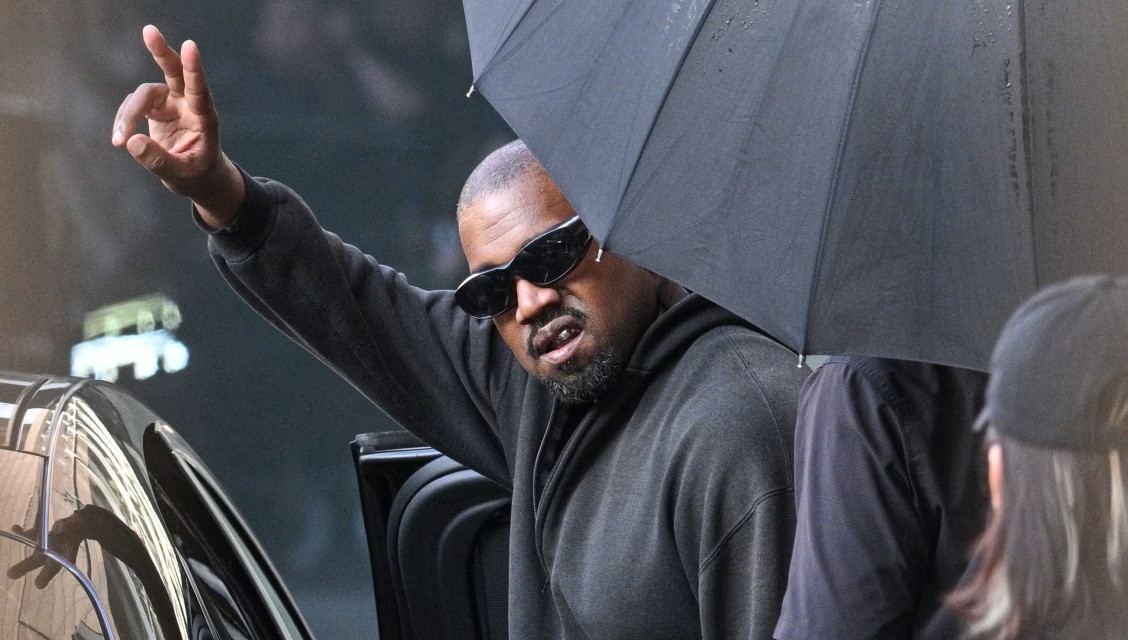
The atmosphere backstage at Wireless Festival has gone from electric to positively toxic, and the organisers are staring at a financial and reputational crater where their headline slot used to be. In a move that has sent shockwaves through the British music industry, two of the festival’s biggest corporate backers, Pepsi and Diageo, have pulled the plug on their sponsorship. The reason? The looming, controversial presence of Kanye West. It’s a stunning vote of no confidence in the rapper, and it leaves the festival in Finsbury Park facing a multi-million-pound shortfall just weeks before the gates are supposed to open.

The corporate world doesn’t usually do swift moral stands. They do spreadsheets and brand safety assessments. The fact that two behemoths like PepsiCo (who own everything from the cola to Walkers Crisps) and Diageo (the kings of Guinness and Smirnoff) have walked away tells you everything you need to know about the toxicity of the Kanye brand in 2026. Despite the rapper’s recent attempts to pivot back to music and claim he’s in a “better place,” the ghosts of his antisemitic rants and the infamous “White Lives Matter” stunt hang over him like a bad smell. For a festival that prides itself on being the heart of London’s diverse and youthful music scene—a crowd that includes a massive Black British and Jewish British contingent—the booking was always a high-wire act. It appears the wire has now snapped.

Pages: 1 2

Advertisement