Home Footy
Category:

Footy

Advertisement

The nerds on The Athletic’s tactics desk have been crunching the numbers, and what they’ve found is a scenario so wonderfully absurd it could only happen in the bureaucratic labyrinth of UEFA competition. Thanks to Arsenal’s coefficient-boosting win and the peculiar quirks of the access list, English football could be set for a continental invasion next season. Forget the usual seven or eight representatives. According to the boffins, it is mathematically possible for **eleven** English clubs to be playing European football in the 2026/27 campaign. Eleven. That’s more than half the Premier League. It’s like a stag do where everyone got invited by accident.

How on earth does this work? Well, it’s a domino effect. The Premier League’s extra Champions League spot trickles down. If an English team wins a European trophy but finishes outside the European places domestically, they qualify as a ‘titleholder’ and take an *extra* spot, not just the one they’d earn via the league. If that happens in *both* the Europa League and the Conference League simultaneously, while the domestic cup winners are already qualified for the Champions League, the allocation shifts to the next-highest Premier League finisher. Suddenly, the team that finishes a very mediocre 9th or 10th—let’s say, for the sake of argument, a Bournemouth or a Brentford—finds themselves booking flights to the Faroe Islands for a Thursday night tie.

Pages: 1 2

Advertisement

Put the ‘Welcome to Anfield’ compilation videos on hold, lads. The transfer rumour mill has ground to a screeching, disappointing halt regarding one of the most exciting midfield talents in world football. Real Madrid’s Eduardo Camavinga has reportedly closed the door on a summer switch to Liverpool, delivering a polite but firm ‘Non, merci’ to the prospect of swapping the Bernabeu for the banks of the Mersey. For a club desperately seeking to inject youth and dynamism into an aging engine room, this is a bitter pill to swallow, made worse by the fact that the player’s reasoning was apparently as much about the weather as the football.

Sources close to the player—which in football terms means a mate of his agent’s barber—suggest Camavinga is settled in Madrid. He likes the sun. He likes the Champions League trophies. And crucially, he sees himself as the natural heir to Luka Modric and Toni Kroos in the most glamorous midfield on the planet. Liverpool’s pitch was strong: ‘You’ll be the main man, the heartbeat of the team, the heir to Gerrard.’ But in the modern game, the pull of Real Madrid’s galactico culture and, let’s be honest, the lifestyle of living in La Finca versus living in Formby, is almost impossible to compete with unless you’re offering silly money. And Liverpool, under FSG, don’t do silly money.

Pages: 1 2

Advertisement

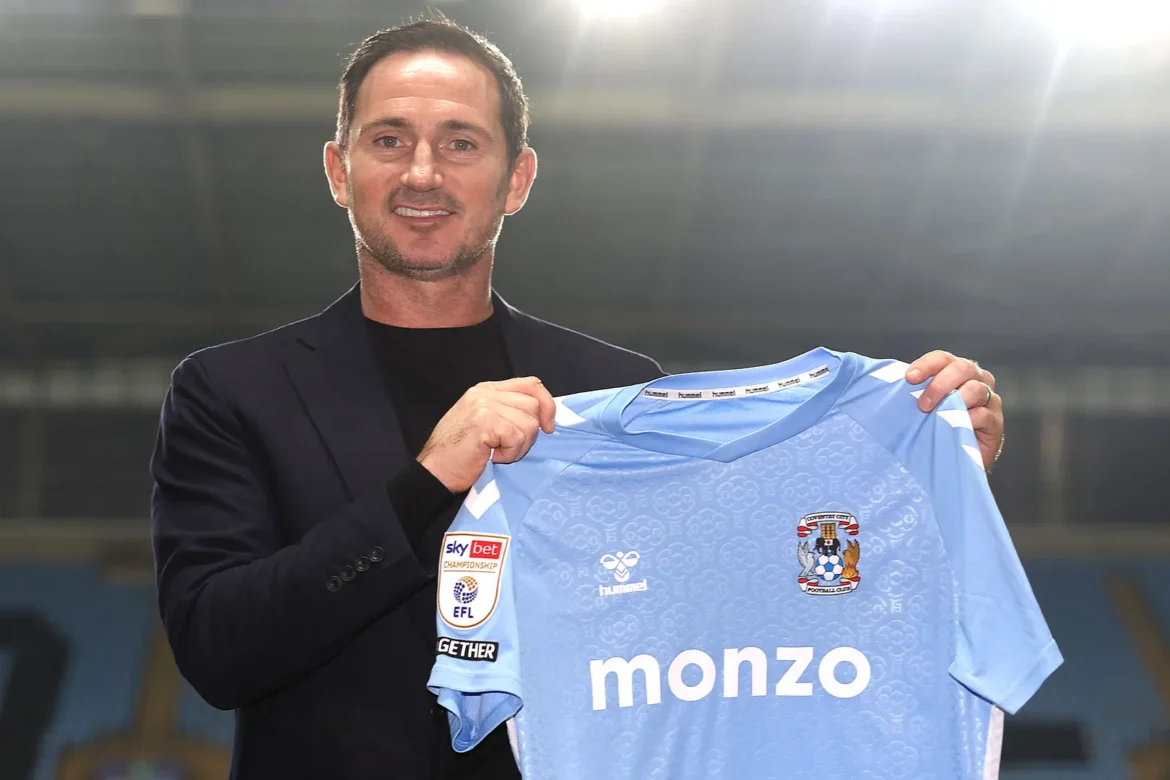
Funny how things work out in football, isn’t it? A few years ago, Frank Lampard was being written off as a managerial dud. The Chelsea legend tag felt more like a burden, a constant reminder of a playing career that towered so far above a stuttering, tactically naive coaching career. Fast forward to April 2026, and Frank Lampard is standing on the touchline at the CBS Arena, orchestrating the most romantic story in the Championship. Coventry City—the club that was homeless, skint, and playing in Northampton not so long ago—are on the brink of a return to the Premier League for the first time since the days of Dion Dublin and Gordon Strachan. And the man pulling the strings is Super Frank.

The 3-2 victory over Derby County was a microcosm of the Lampard era at Coventry: chaotic, thrilling, and utterly bloody-minded. They gave away a soft goal. They missed a sitter. They had a man sent off. And yet, they found a way to win in the 93rd minute, the ball ricocheting around the six-yard box before being bundled home by a centre-half with his shin. The stadium erupted in a wave of Sky Blue delirium. This isn’t a team built on a Saudi sovereign wealth fund or parachute payments; this is a team built on spirit, smart loans, and a manager who has finally figured out how to translate his own elite winning mentality into a coherent tactical plan.

Pages: 1 2

Advertisement

Gary Lineker has spoken, and the Arsenal faithful will be hoping his crisps are as reliable as his punditry. The Match of the Day legend and football’s foremost nice guy has delivered his mid-spring verdict on the Premier League title race, and it’s music to the ears of anyone in North London who bleeds red and white. Despite the agony of crashing out of the FA Cup in a match they dominated, Lineker insists that Mikel Arteta’s men are “on track” to end that long, painful, two-decade wait for the league title. It’s a statement that cuts through the noise of social media doom-mongers and insists on a more nuanced reality: Arsenal are the best, most complete team in the country right now.

Lineker’s analysis, delivered with his usual calm authority on *The Rest Is Football* podcast, centred on the defensive solidity. “They don’t concede,” he noted, pointing to a backline marshalled by Gabriel and Saliba that looks about as penetrable as the vault at the Bank of England. He’s right. While other teams—looking at you, Manchester City—have looked vulnerable on the counter-attack and prone to brain farts at the back, Arsenal have become masters of the 1-0 grind. They are comfortable with the ball and, crucially, comfortable *without* it. They suffocate teams. They don’t need to score four every week because they simply refuse to let the opposition have a sniff. This is the hallmark of champions. It’s not always pretty, and it gives the purists the vapours, but it wins titles.

Pages: 1 2

Advertisement

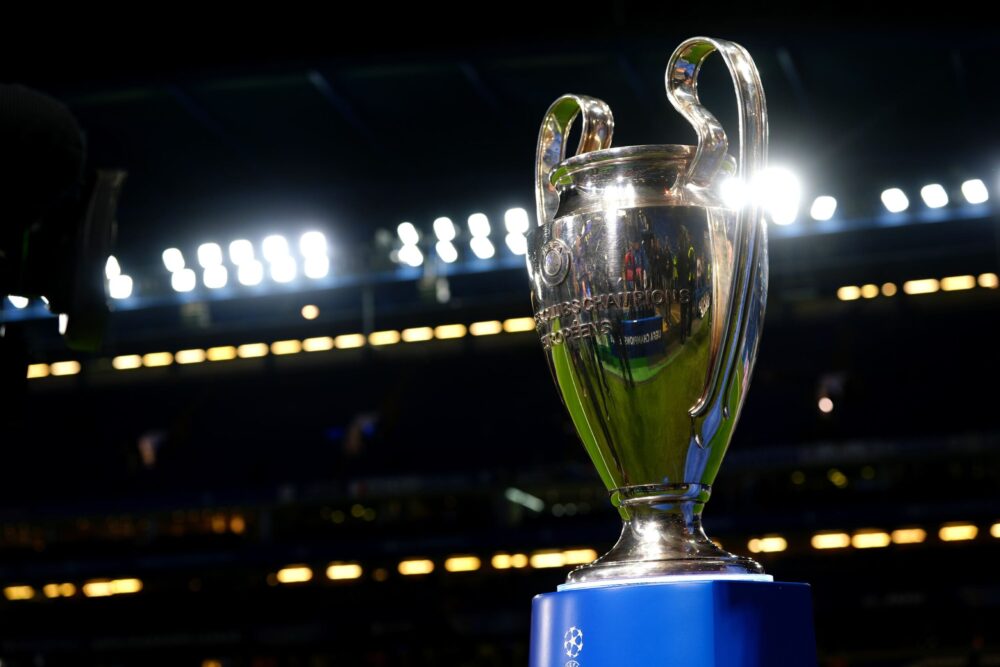
Get the bunting out and pour yourself a generous G&T, because the Premier League has done it again. For the second consecutive season, England’s top flight has secured the coveted extra spot in the Champions League. Thanks to Arsenal’s gritty, professional, and—let’s be honest—slightly dull 1-0 victory over Sporting CP, the coefficient points have stacked up, confirming that fifth place in the Premier League table will now come with a golden ticket to the biggest club competition in the world. It’s a result that confirms what we all suspected deep down: the Premier League isn’t just a league; it’s a financial superpower with a football problem.

The implications of this are seismic for the race at the top of the table. For the last six weeks, clubs like Aston Villa, Newcastle, and even a resurgent Chelsea have been playing with the handbrake on, eyeing fifth place nervously because usually, fifth place means Thursday nights in the Europa League, playing on a cabbage patch in Azerbaijan while your rivals rest for the weekend. Now? Fifth place means the lights of the Bernabeu, the noise of the Westfalenstadion, and, most importantly, the £60 million-plus windfall that comes with Champions League qualification. It fundamentally changes the transfer market and the PSR (Profit and Sustainability Rules) calculations. Suddenly, that squad player you were going to loan to Ipswich is now a vital piece of the puzzle for a European campaign.

Pages: 1 2

Advertisement